Harbor Flow Systems: BadgerMeter flow meter supplier
Scope:Supply and maintenance of flow meters
Task:Increase customer inquiries and optimize ad campaigns
- Customer inquiries increased 16-fold without increasing the ad budget
Process. Let's go!
Once the key goals are defined, we move on to identifying the project's “input” data. This lets us run comparative analysis at every stage.
Stage 1. “Input parameters”
At the first stage we found that the client's key “input” parameters look roughly like this:
Ads on niche websites
Word of mouth
Stage 2. Analytics
We implement analytics and control systems
Yandex.Metrica
To track all website requests and analyze traffic
Call tracking
To identify and analyze call sources
Call Back
To monitor additional calls, including missed ones, to increase the number of calls
CRM system
To control the sales department, improve manager performance and optimize client work
Website goals + UTM tags in ad campaigns
To pinpoint request sources, down to the
exact keyword
At this stage we already know where our clients come from, how much we pay for each one, which ad channels work, and how efficiently managers process requests
Stage 3. Hypotheses and strategies
We define hypotheses, directions and strategies, and agree them with the client.
Hypotheses
- Long forms are a barrier to getting requests
- Clients should get the key information as quickly as possible
- Getting feedback should be as simple as possible
Strategies
- Well-structured information packed into a landing page will bring the most requests
- Deep analysis of ad sources will reveal the next optimization steps
Stage 4. Implementing the agreed steps
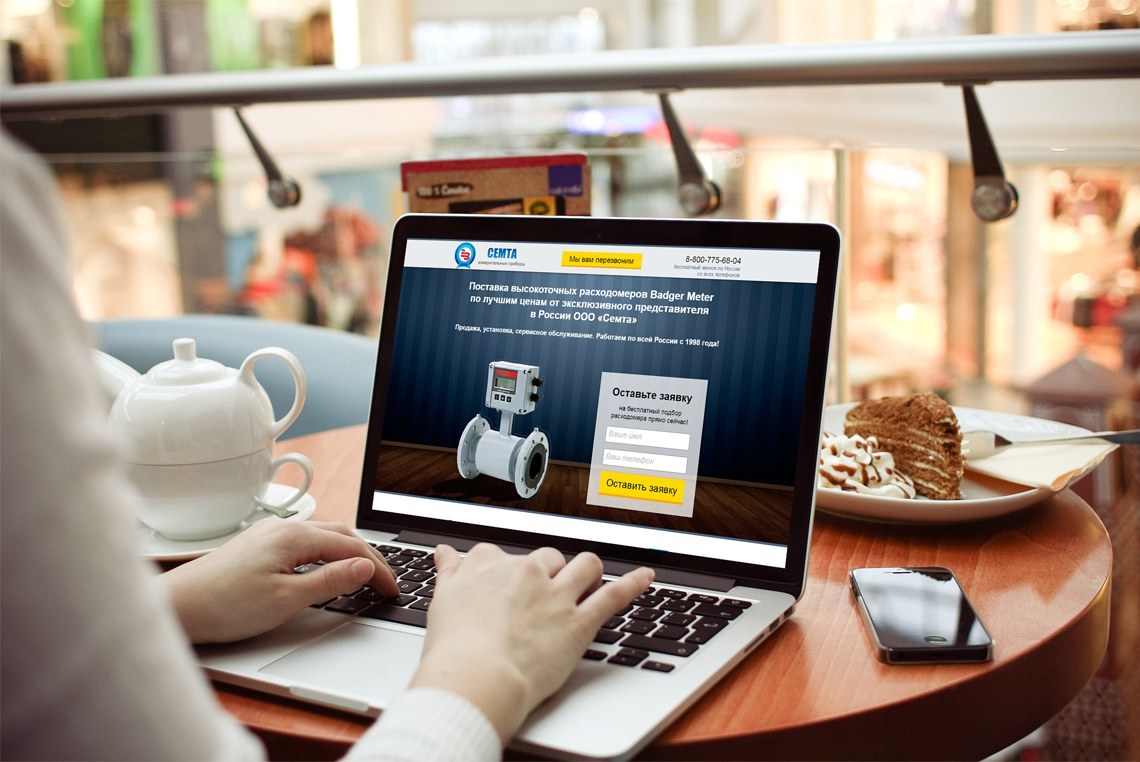
- Building a user-friendly landing page
- Creating content for the landing page
- Expanding ad campaigns
- Setting up analytics and goals on the new page
- Directing traffic to the landing page
Stage 5. Interim results
- The new page converts 3.5 times better than the main website
- In the first week, the expanded ad campaign brought in 58 requests
- Listening to call recordings helped identify manager mistakes and refine the dialogues
Stage 6. Optimizing metrics and business processes
Deep analysis of the data allowed us to:
- Expand the ad campaign more than 10-fold
- Identify ineffective channels down to specific keywords
- Reallocate budget to effective channels and increase the number of requests
- Reduce the time managers take to process requests
- Identify key mistakes in sales scripts
Key results achieved during the project:
- Customer inquiries increased 16-fold without increasing the ad budget
- Request processing time has been significantly reduced
- An additional manager was hired to process requests
- The client clearly knows which ad campaigns work
- The client knows the cost of incoming customers from every channel and can plan its budget
Want the same results or better?
Request a consultation
Thank you for your interest in our company.
Your request has been sent successfully.
Have a great day!